Culture
Saraiki country: songs, shrines, and the people of the river plain
The kafi, the urs, and the names this district is known by — each with its source.
Culture here is carried in Saraiki, the language of most homes in the district: in sung poetry, in shrine gatherings, and in the families and public figures the area is known for. Every person below has a stated, sourced link to Kot Addu District.
The voice of the south
Pathanay Khan
Saraiki folk and Sufi singer · 1926–2000
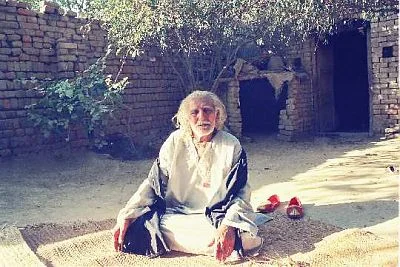
Born Ghulam Muhammad, he became the voice most tied to Saraiki kafi, singing the poetry of Khwaja Ghulam Farid, Shah Hussain and other Sufi poets. Radio Pakistan Multan made him known; he received the Pride of Performance in 1979. Every March, Kot Addu marks his death anniversary.
Kot Addu link: Born at Basti Tambu Wali, Tehsil Kot Addu; died in Kot Addu in 2000 and is buried there.
Read his story →People
Names from the district
Birthplaces in this belt are argued over. The list stays conservative: each entry says exactly how the person is tied to Kot Addu, and links the sources.
Faith
Mughal era, by tradition
Din Panah
Sufi saint
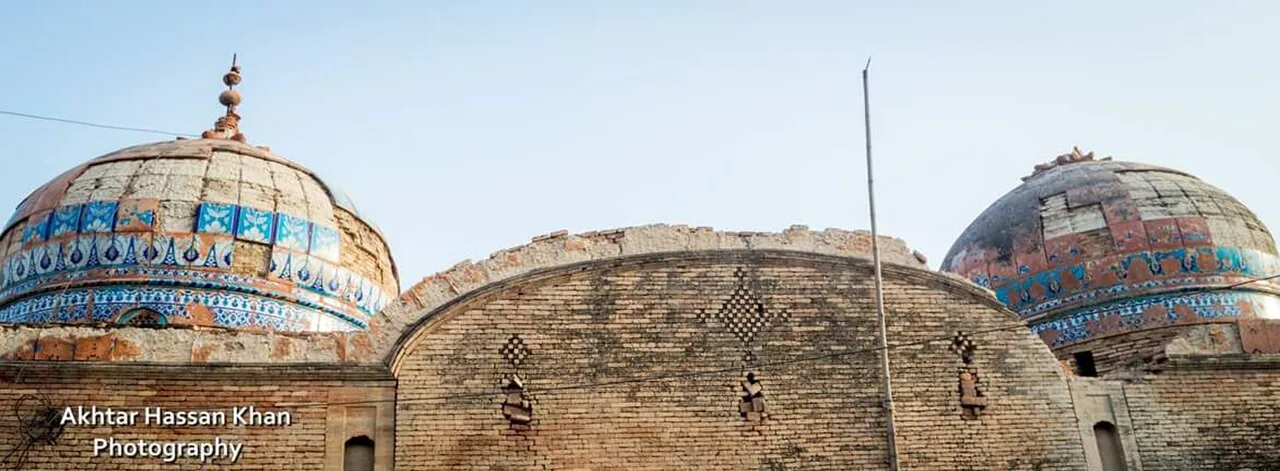
Tradition names him Syed Abdul Wahab Shah Bukhari. His domed tomb, faced in blue and white tiles, is the spiritual landmark of the district; the 1908 district gazetteer records that Hindus and Muslims alike revered it. An annual fair is held at the shrine. His life is known through legend rather than records.
Kot Addu link: His shrine stands at Daira Din Panah in Tehsil Kot Addu, and the town is named after him.
Sources: dawn.com, en.wikipedia.org
d. 2022
Mufti Abdul Jalil
Religious scholar; chairman, Municipal Committee Kot Addu
As head (muhtamim) of Jamia Mazahir-ul-Uloom, he oversaw a network of around 110 Quran-teaching branches across Kot Addu and nearby areas. He served as chairman of the Kot Addu Municipal Committee and twice contested the Punjab Assembly. His funeral was held at Government High School Kot Addu.
Kot Addu link: Headed Jamia Mazahir-ul-Uloom in Kot Addu, chaired the town's municipal committee, and died in Kot Addu in June 2022.
Sources: ur.wikipedia.org
Poetry & letters
c. 1929–1992
Bayaz Sonipati
Urdu poet
He arrived in 1947 at about eighteen and wrote many poems about the town's landscape, seasons and people. A follower of the Naqshbandi-Chishti Sufi order, he also wrote a book on mysticism. A selection of his poetry, Bayaz Ki Bayaz Se, was published after his death.
Kot Addu link: Came to Kot Addu from Sonipat at Partition, lived and wrote here, and is buried in the town.
Sources: dawn.com
1926–2019
Uday Bhanu Hans
Hindi poet; first State Poet of Haryana
Called the “Rubai Samrat” for bringing the rubai into Hindi poetry, he became Haryana's first State Poet in 1966. He taught for most of his life, retiring as a college principal, and died in Hisar in 2019.
Kot Addu link: Born at Daira Din Panah in 1926; his family moved to Hisar, India, at Partition.
Sources: en.wikipedia.org, rekhta.org
1870–1960, per local sources
Ahmad Bakhsh Ghafil
Classical Saraiki poet
Educated locally and then in Persian and Arabic at Dera Ghazi Khan, he is remembered for Saraiki verse romances including Heer Ranjha and Sassi Punnun, and was a sought-after voice at the poetry gatherings and fairs of his time. He also wrote as Seerani.
Kot Addu link: From the town of Gurmani, on the railway between Mahmud Kot and Sanawan (sources written before 2022 say “Gurmani, Muzaffargarh”).
Sources: thalochi.com, girdopesh.com, en.wikipedia.org
Founders & history
c. 1500
Addu Khan Mirani
Founder of Kot Addu
A chief of the Mirani Baloch, described as a son of the chieftain Ghazi Khan. The municipal committee dates the founding to about 1500 and records that he built a defensive wall around the settlement. He is a founding figure more than a documented biography.
Kot Addu link: Founded the town, which carries his name: Adduda Kot, the fortified town of Addu.
Sources: mckotaddu.lgpunjab.org.pk, en.wikipedia.org
Scholarship
1792–1824 (1206–1239 AH)
Allama Abdul Aziz Parharvi
Islamic scholar, author and physician
Studied under his father, Hafiz Ahmad, and Khwaja Muhammad Jamal Multani of the Chishti Nizami order. In a life of barely thirty-three years he wrote on Quranic exegesis, hadith, theology, astronomy and medicine; his commentary al-Nibras is still taught, and his medical works include al-Iksir. His urs is held each Dhul Hijjah.
Kot Addu link: Born at Basti Parhar Gharbi on the outskirts of Kot Addu, where his shrine stands.
Sources: sbbu.edu.pk, dawateislami.net, ur.wikipedia.org
Community & activism
c. 1961–2016
Zafar Iqbal Lund
Saraiki writer and rights activist
He founded the Hirak street-theatre group and campaigned in Kot Addu's cotton belt on pesticide harm, farmers' rights and the Indus. Sindhu Bachao Tarla, which he led, gave the river-dependent communities around Kot Addu a forum on water and land.
Kot Addu link: Lived and worked in Kot Addu for decades, running Hirrak Development Centre and founding Sindhu Bachao Tarla here; he died at his Kot Addu home in 2016. Originally from Shadan Lund, Dera Ghazi Khan.
Sources: dawn.com, dawn.com, thenews.com.pk
Stage & performance
Contemporary
Arshad Ali Badi
Stage magician
The municipal committee calls him a famous magician. A local history of the region's fairs names him among the performers at the Muzaffargarh District Council's spring festival, Jashn-e-Baharan, and he has appeared as a master magician at the Karachi magic festival.
Kot Addu link: Listed by the Kot Addu municipal committee among people born in Kot Addu.
Sources: mckotaddu.lgpunjab.org.pk, thalochi.com, youtube.com
Sport
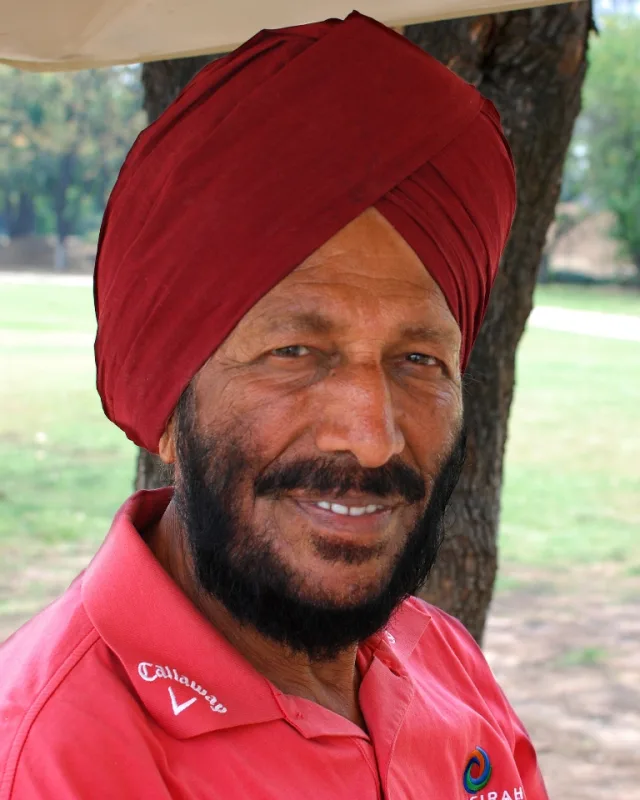
Photo: Sanyam Bahga, CC BY-SA 3.0, via Wikimedia Commons c. 1929–2021
Milkha Singh
Sprinter, “the Flying Sikh”
His parents and several siblings were killed in the violence of Partition, after which he crossed to India. He became its leading 400-metre runner, winning Asian and Commonwealth gold. His birth date is disputed; Pakistani records give 1929.
Kot Addu link: Born in Gobindpura, which his autobiography places in Tehsil Kot Addu; went to school in Kot Addu before 1947.
Sources: en.wikipedia.org, en.wikipedia.org, dawn.com
Public life
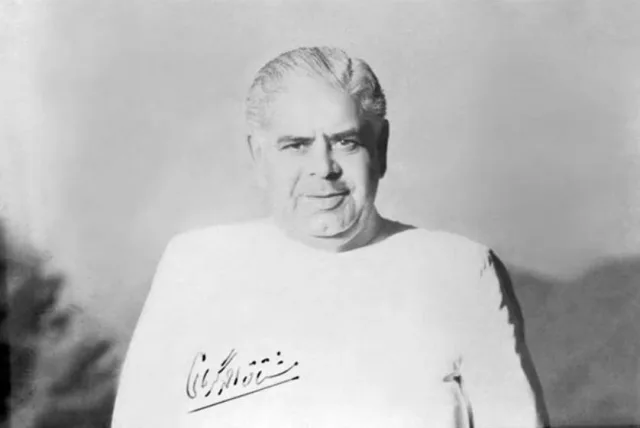
Photo: GurmaniFDN, CC BY-SA 4.0, via Wikimedia Commons 1905–1981
Mushtaq Ahmed Gurmani
First Governor of West Pakistan
Before independence he was chief minister of Bahawalpur State. He signed the 1949 Karachi Agreement on the Kashmir ceasefire line, then served as federal Interior Minister (1951–54), Governor of Punjab (1954–55) and the first Governor of West Pakistan (1955–57).
Kot Addu link: Born in the village of Thatta Gurmani, Tehsil Kot Addu.
Sources: en.wikipedia.org, gazetteers.punjab.gov.pk
b. 1937
Ghulam Mustafa Khar
Former Governor and Chief Minister of Punjab
First elected to the National Assembly in 1962, he was a close associate of Zulfikar Ali Bhutto and served as Governor of Punjab (1971–73 and 1975) and Chief Minister (1973–74).
Kot Addu link: Born in Tehsil Kot Addu into the Khar landowning family (sources name Khar Gharbi or Sanawan).
Sources: en.wikipedia.org, gazetteers.punjab.gov.pk, cm.punjab.gov.pk
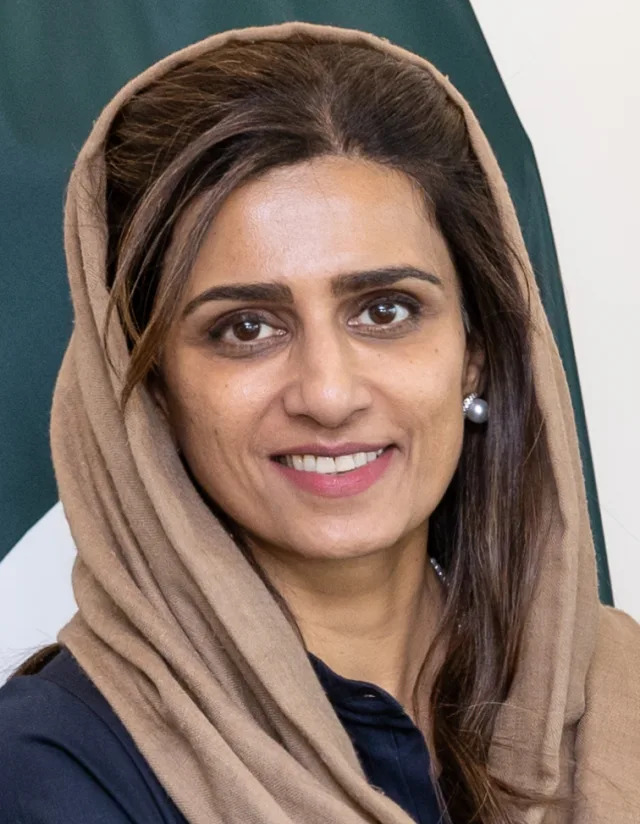
Photo: World Intellectual Property Organization, CC BY 2.0, via Wikimedia Commons b. 1977
Hina Rabbani Khar
Pakistan's first woman foreign minister
Elected to the National Assembly in 2002, she was the first woman to present Pakistan's federal budget (2010) and served as Foreign Minister from 2011 to 2013, and as Minister of State for Foreign Affairs in 2022–23.
Kot Addu link: Of the Khar family whose seat is Khar Gharbi, Tehsil Kot Addu; represented a Muzaffargarh constituency covering parts of Kot Addu tehsil (2002–13). Born in Multan.
Sources: en.wikipedia.org, gazetteers.punjab.gov.pk
b. 1948 or 1949
Malik Sultan Mahmood Hinjra
Former MNA and MPA
He served several terms in the Punjab Assembly from 1985 and in the National Assembly from 2013 to 2018. According to Dawn, a Punjab Assembly resolution he sponsored asked for Kot Addu tehsil to be made a district.
Kot Addu link: Family seat at Daira Din Panah, Tehsil Kot Addu.
Sources: en.wikipedia.org, dawn.com
b. 1978
Malik Ahmad Yar Hunjra
Former Punjab Minister for Prisons
An agriculturist and lawyer, educated at GC University Lahore, Quaid-i-Azam University and Bahauddin Zakariya University. He was elected to the Punjab Assembly in 2002, 2008 and 2013 and served as Provincial Minister for Prisons from 2016 to 2018. He is a nephew of Malik Sultan Mahmood Hinjra.
Kot Addu link: Born at Daira Din Panah, according to his Punjab Assembly profile.
Sources: pap.gov.pk, en.wikipedia.org
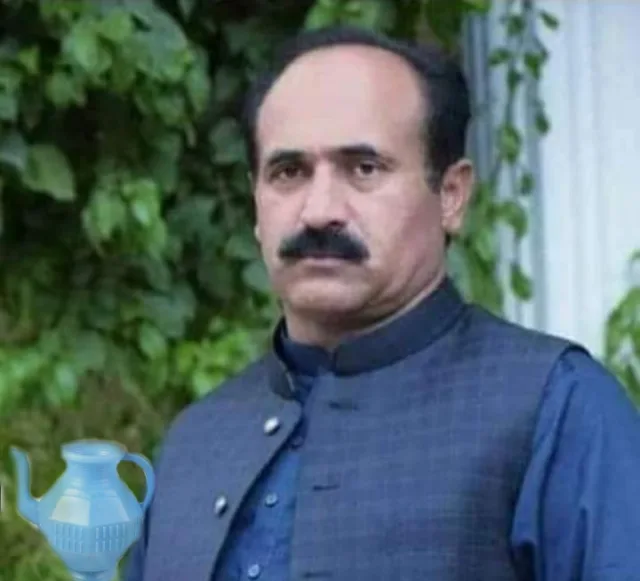
Photo: Milfsandminors, CC BY-SA 4.0, via Wikimedia Commons b. 1968
Muhammad Ashraf Khan Rind
Former MPA and local government head
He served as Naib Nazim of the tehsil council (2001–05) and Nazim of the district council (2005–08), then won PP-279 Muzaffargarh-XII in 2018 with 42,564 votes and sat in the Punjab Assembly until January 2023.
Kot Addu link: Born in Kot Addu on 3 March 1968, according to his Punjab Assembly profile.
Sources: pap.gov.pk, app.com.pk, en.wikipedia.org
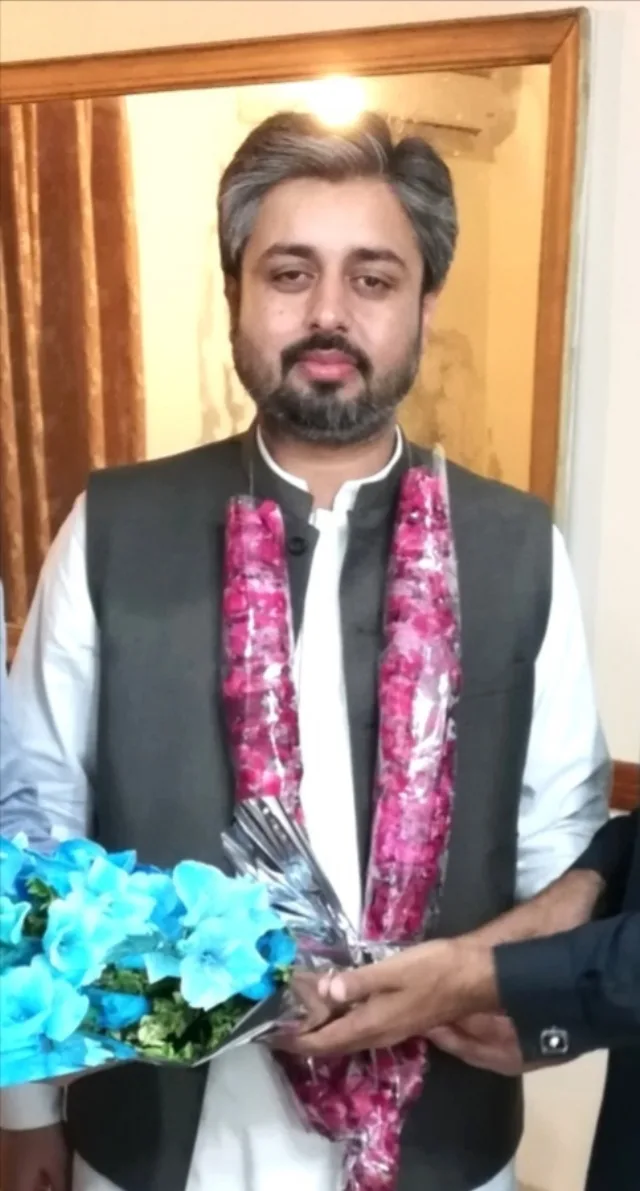
Photo: Mulairi, CC BY-SA 4.0, via Wikimedia Commons In public life since 2018
Shabbir Ali Qureshi
MNA for Kot Addu; former Minister of State
First elected to the National Assembly in 2018, he served as Minister of State for Housing and Works until 2022 and was among the local representatives when Kot Addu became a district that October. Credit for the district itself is disputed between parties.
Kot Addu link: Born in Kot Addu; elected for NA-179 (Kot Addu-I) in 2024.
Sources: en.wikipedia.org, dawn.com
Stories
Read further
Nature · 2 min read
The dolphins below the barrage
The Indus river dolphin survives only in this river. Some of its densest waters begin at Taunsa Barrage, sixteen kilometres from Kot Addu.
Read →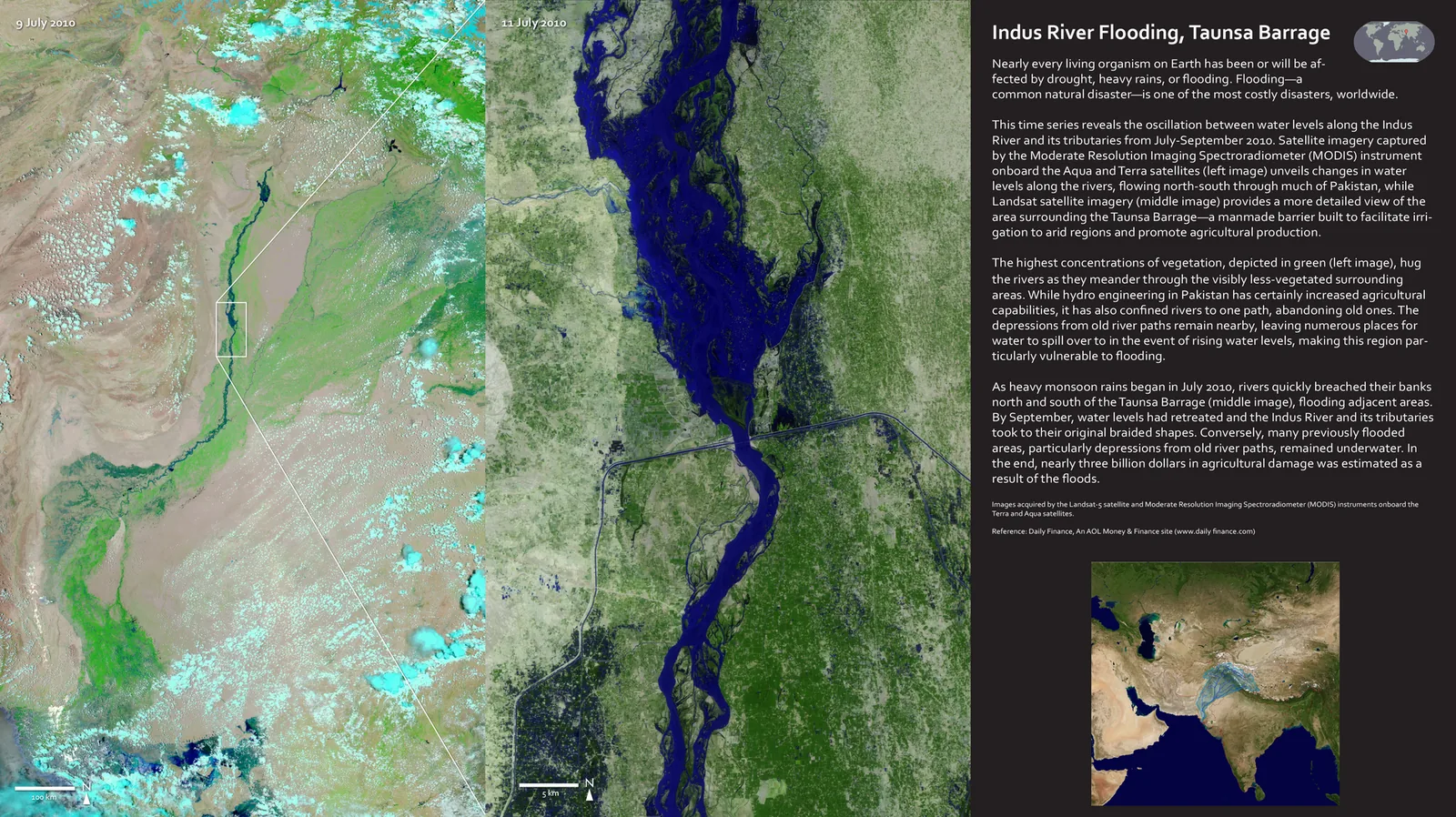
History · 2 min read
August 2010: when the Indus came over the bund
The biggest flood ever recorded at Taunsa broke the embankment upstream of the barrage and poured into Kot Addu. What happened, from the official record.
Read →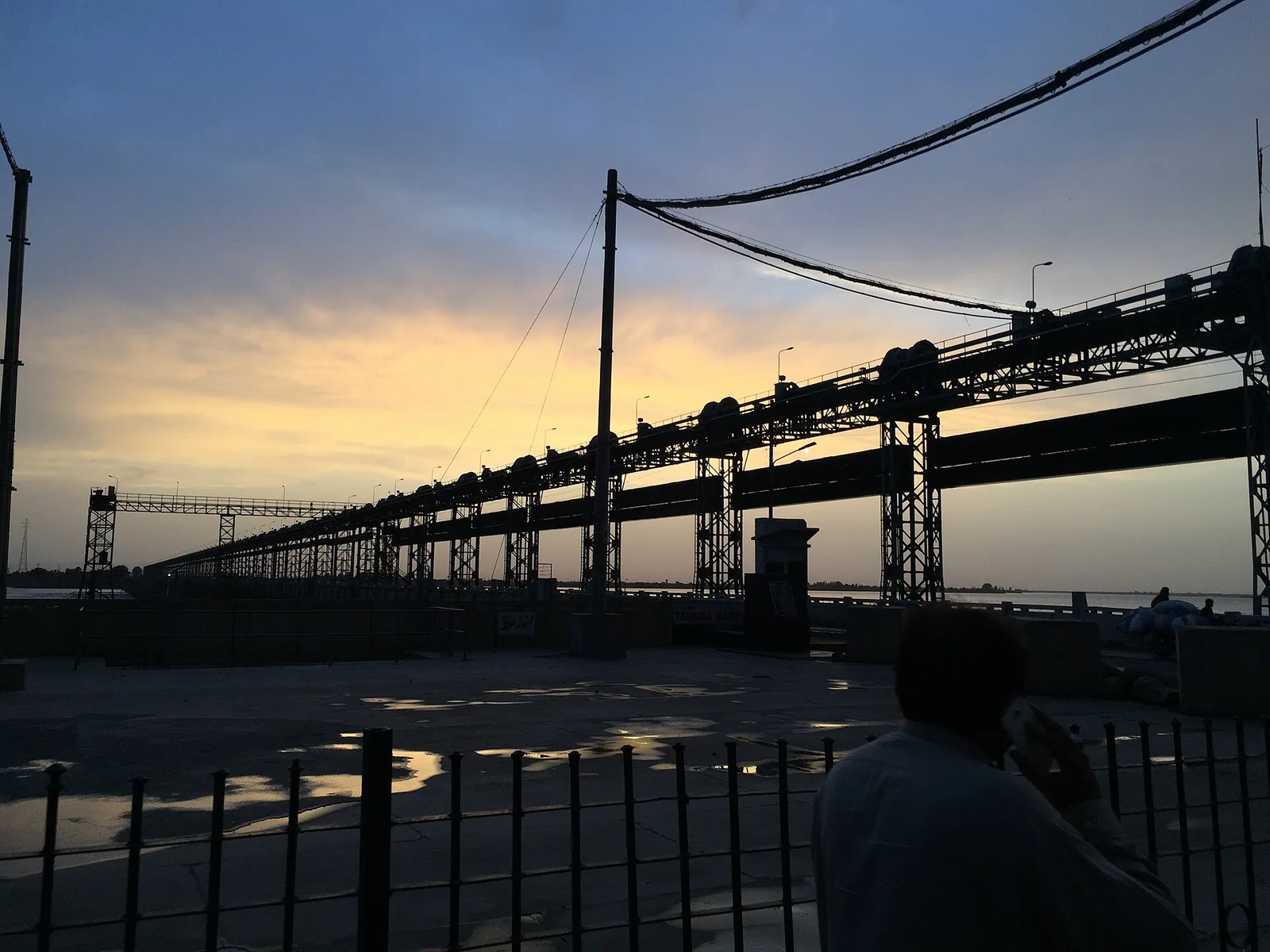
History · 1 min read
Taunsa Barrage: the gate on the river
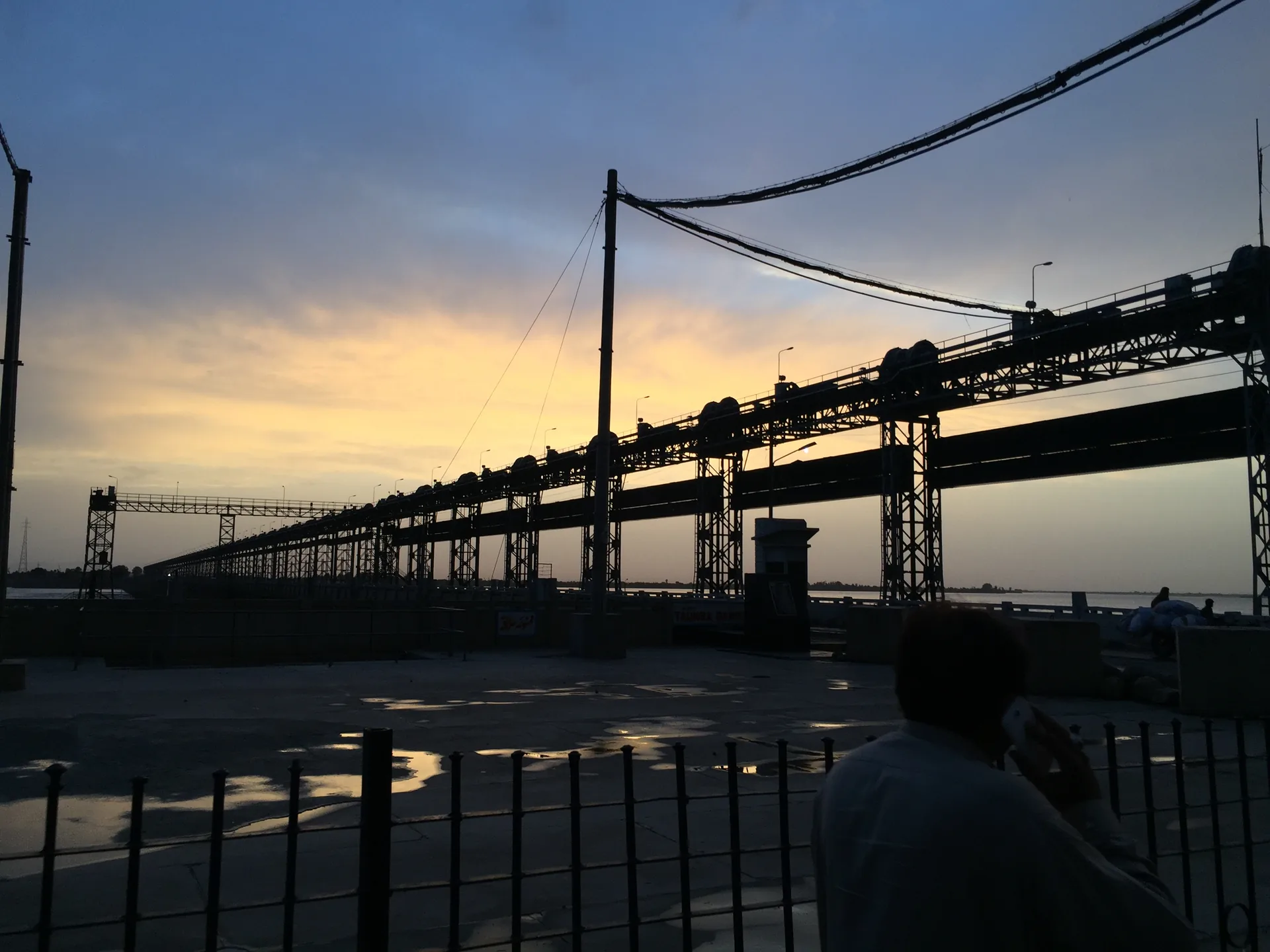
Sixty-five gates across the Indus turned flood-fed land into canal country. How the barrage was built, what it feeds, and how it has been kept standing.
Read →Someone missing?
If you know a person from the district who belongs here, tell us — with a source we can check.